teaching
Teaching
Courses, frameworks, workshops, and the games I build to teach with. The tools below are made for classrooms and professional learning.
I am available for talks, workshops, and professional development.
I work with schools, faculties, teacher-education programmes and research groups on AI literacy, futures literacies, and digital arts-based methods — as an invited talk or keynote, a hands-on workshop, or a longer professional-learning series. Sessions can be built around any of the frameworks and tools on this page, or around whatever your group is actually wrestling with.
Get in touch →Courses developed
Graduate and undergraduate courses I designed or substantially rebuilt, and teach.
Frameworks and open resources
Published openly for anyone to adapt and teach with.
Workshops and professional learning
Invited sessions for educators, researchers and graduate communities.
Games and tools for the classroom
Built to be used in teaching. Each one runs in a browser, needs no account, and can be handed to a group as it is.
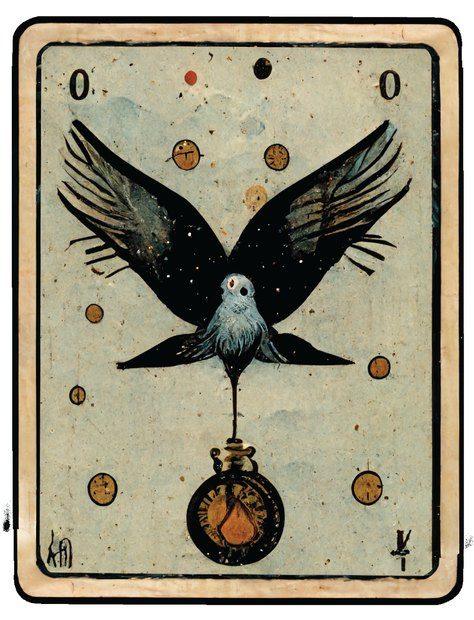 an archetype gameRewriting the FutureAnswer five questions, meet the archetype your answers earn you — or refuse it and write your own — then draw a Time, a Subject, a Mood and an Object, and write.Play →
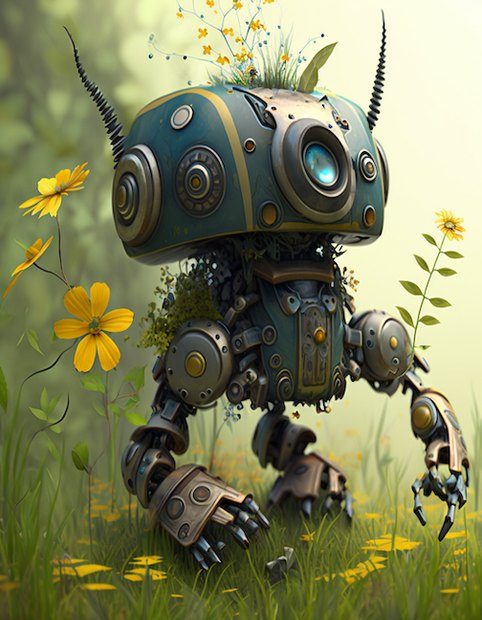 a writing roomFutures Cards for KidsThe same game with a gentler deck — robots in meadows rather than tarot — and a room to write in afterwards. For younger writers.Play →
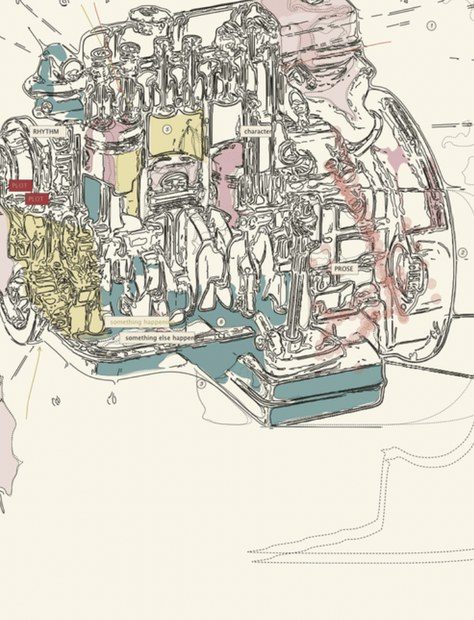 UBC MET · creative architectureThe (un)Slop GameBecome an agent in a human multi-agent machine. Manufacture slop, try to resist it, then redesign the system. Built out of a contest that asked: AI fiction sucks — what is your theory about how to fix it?Used in ETEC 565R to explore slop and multi-agential systems.Open ↗
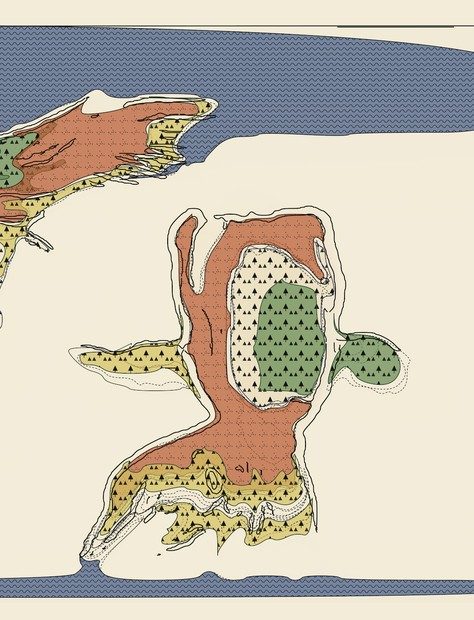 drawing as hypothesisDiagrammaticA drawing tool for thinking in diagrams — shapes, connectors and annotations that stay editable, so a drawing can be revised the way an argument is.Open ↗
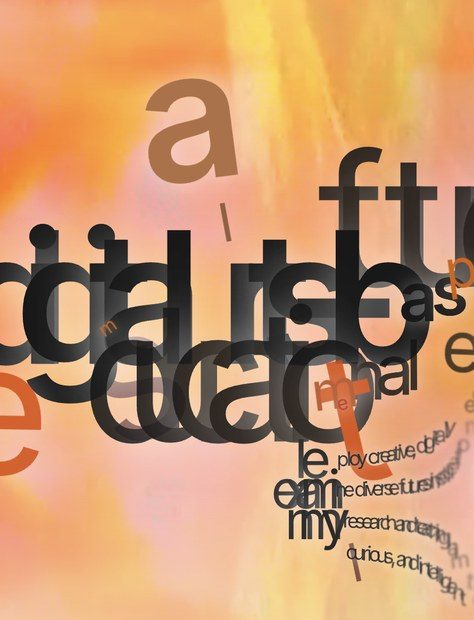 interactive typographyPlay With The TextThe four lines on the home page do not sit still if you ask them not to. Every character becomes a body with its own physics — they flee your cursor, and you can reach in, take one, and put it anywhere.Play →
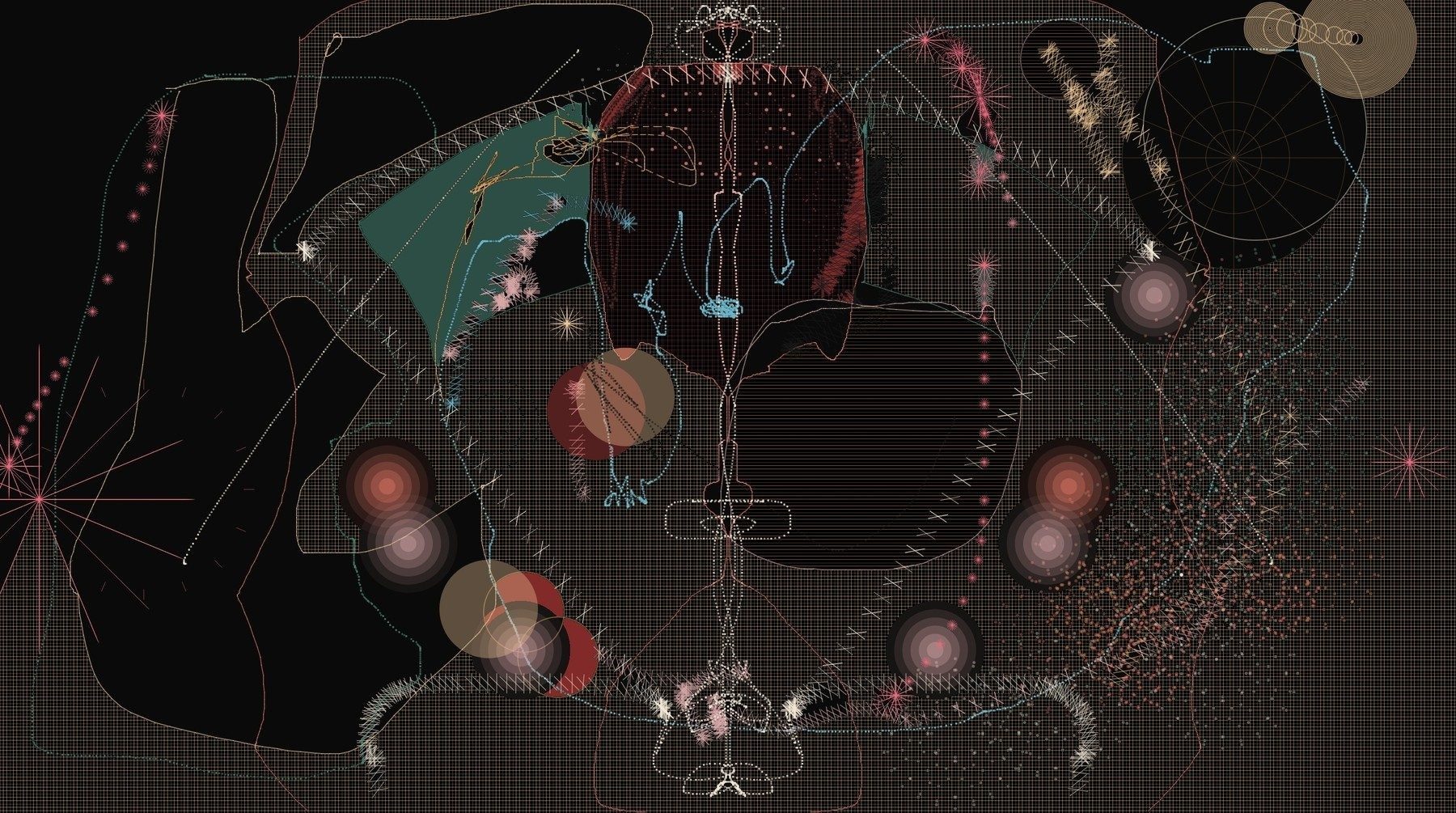 interactive drawingGeometric PainterBuild images out of planes, grids, sparks and constellations. Nothing closes into an outline; it holds together anyway.Play →
Courses taught
Other graduate courses in the Master of Educational Technology programme.